
spring
blossom
medaka
📍 winter park, fl
📧 [email protected]
✨ follow us on insta! @springblossommedaka
✨ updates
10/13 - we have applied for our aquaculture certification! please wait patiently while we acquire the correct documents needed to being selling. thanks for your support!
welcome!
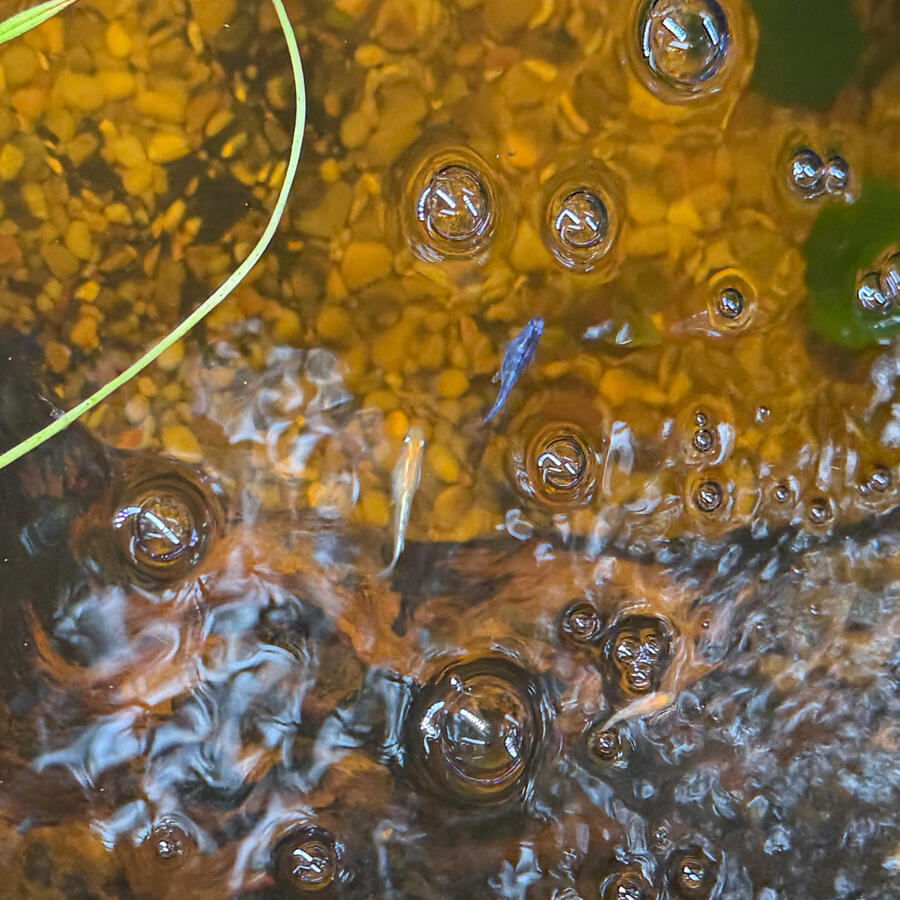
hi! thanks for your interest in spring blossom medaka. we are a small japanese rice fish hatchery run by two ucf students.
patronage
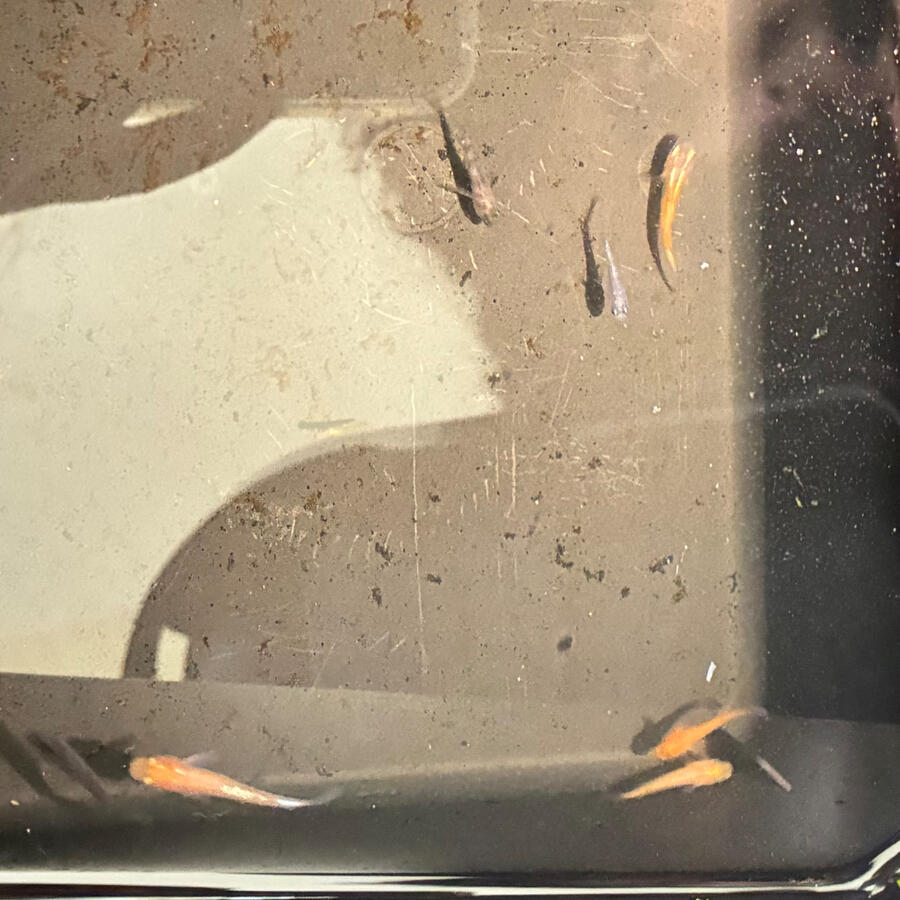
please note that we do not ship; fish are local pickup only.our current pickup location is being decided!read more about how you can purchase fish from us here.
what are medaka?
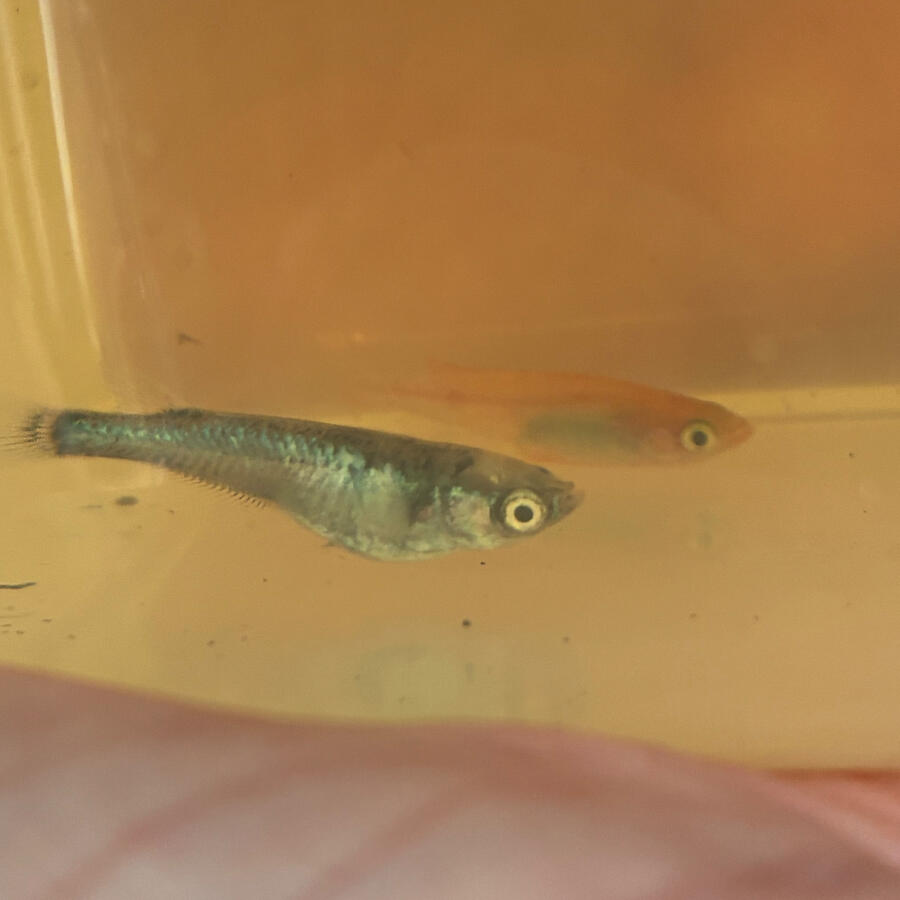
the medaka, or japanese rice fish, is a species of killifish long coveted for their ornamental beauty and their hardy nature. they've been kept as beloved pets in japan since the 17th century!
current pairings
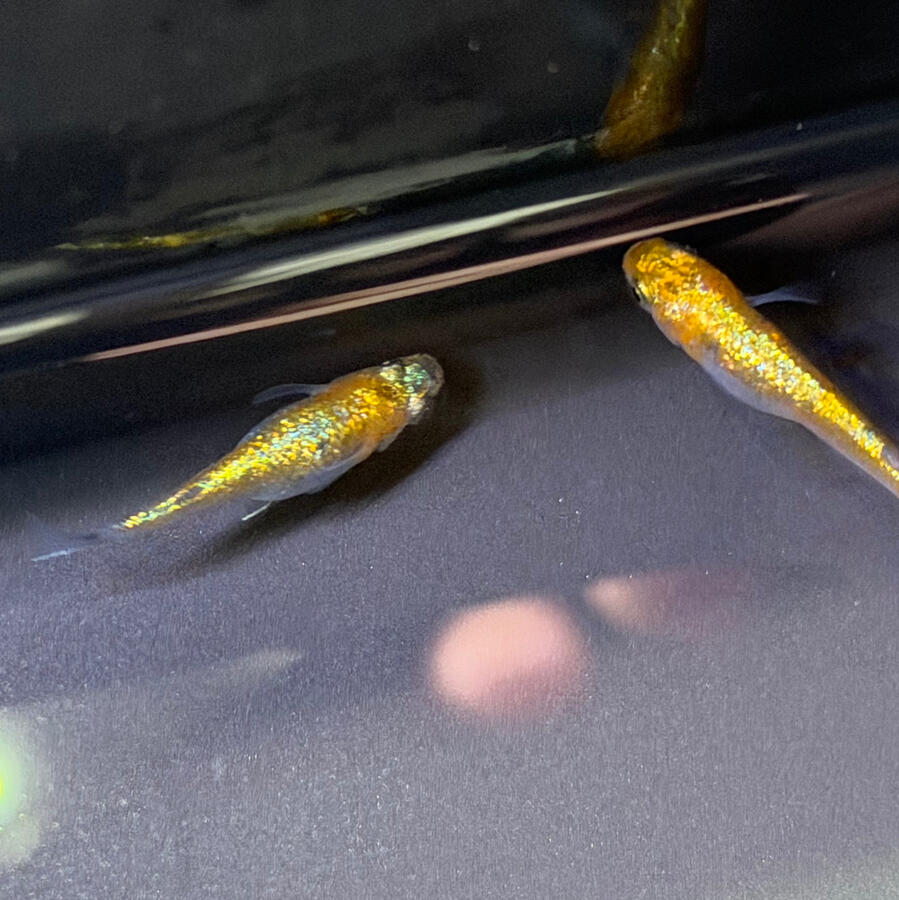
8/26ulysses paradiso (sourced from SNR Medaka)
eggs collected; fry are hatching soon!miscellaneous pairs (pond)
eggs collected; fry are hatching soon!miyuki bellflower and tricolor (shrimp tank)
spawning has started; eggs are expected soon!
available fish
october availability
- ulysses paradiso
- assorted / variousfish are currently being graded to assess their quality. they will be available for purchase soon!
events
there are currently no upcoming events!if you're interested in hosting our table for an event, please contact us via email or instagram dm!
terms of service - updated 10/14
these terms of service apply as they are written at the time of purchase.medaka are a schooling fish; if you do not already own medaka, you must purchase at least three fish.new customers must provide proof of a setup.returning customers may purchase individual fish and are not required to share proof of a setup.
health and wellness / doa policy
we do not ship our fish. as such, it is not possible for any customer to receive a fish that is dead on arrival (doa).fish are assessed for health and wellness prior to packing and transport. medaka are a hardy species and tend to be forgiving of small mistakes or misconfigurations often made by beginners. we will not refund any fish who have died as a result of poor tank maintenance by the customer.it is recommended to quarantine your new fish before introducing them to a large environment with other fish.please inspect your fish and monitor its health carefully before releasing it into the aquarium. if you notice an issue with your fish before it is removed from the bag, please let us know as soon as possible.
medaka care
here are some helpful tips for keeping medaka. this page does not serve as a catch-all or complete guide for medaka care, but it should help you to get started if this is your first time learning about medaka!medaka are generally very hardy, but that does not mean that they should be kept in poor environments. at minimum, the following parameters are acceptable for keeping medaka happy and healthy:- one gallon of water per fish in small tanks, or a half gallon per fish in more spacious / enriching environments (more on this below)
- a stable water temperature between 65 degrees and 85 degrees fahrenheit
- a pH between 6.5 and 8.0
- nitrates below 25 ppm
- semi-frequent water changes with r/o water or distilled water treated with mineralsmedaka are small, but they can eat quite a lot! they eat food from the water's surface and can enjoy a variety of treats. our preferred feeding schedule is three small meals per day for juveniles and adults. they enjoy flaked food, bloodworms, baby brine shrimp, and many other treats!medaka fry (hariko) cannot ingest large foods and should be fed specially formulated fry powder, paramecium, photosynthetic bacteria, and green water.medaka can be kept indoors and outdoors as long as the appropriate conditions are met in their environment. should you choose to keep medaka outside, please allow them indirect sunshine for 8-12 hours a day, keep the water level a few inches below the top of the pond or enclosure, and provide adequate protection from predators.regardless of where you keep medaka, their water should be aerated and kept gently flowing to provide enough oxygen and to discourage bugs from depositing eggs or larvae into the water. while some medaka like to eat mosquito larvae and serve as excellent pest control, others are very disinterested and will not eat anything beyond their typical fare.medaka are a schooling fish and are not typically aggressive when kept in an enriching environment. providing a lot of plants and decorations for your medaka will give them visual boundaries and safe places to retreat to if they are feeling stressed. should you choose to add tankmates, make sure you keep in mind the temperament of the species you wish to add and their required parameters to ensure a good fit.